
Why Twice Yearly Eye Exams are Critical

Most people think of eye exams as something to schedule only when vision gets blurry—but waiting that long can mean missing the early warning signs of more serious problems.  Seeing  your  optometrist in North Syracuse, NY  twice a year isn’t just about keeping your prescription up to date. It’s about protecting your overall eye health and, in many cases, catching hidden issues before they start affecting your sight.

Seeing More Than You Realize

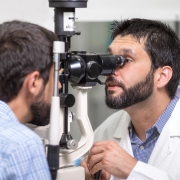
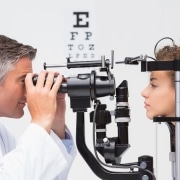
An eye exam isn’t only about reading letters on a chart. Your optometrist looks deep into your eyes to check the health of your retina, optic nerve, and blood vessels. These delicate structures can reveal much more than vision changes—they can show early signs of diabetes, high blood pressure, and other systemic conditions. Seeing your eye doctor every six months keeps these checks consistent, giving them the best chance to spot changes before symptoms appear.

Catching Subtle Changes Early

Vision can shift gradually, so it’s easy to miss small differences from day to day. Regular eye exams help track these subtle changes and keep your prescription accurate, which reduces strain and headaches. Early detection also means early treatment—something that’s especially important for conditions like glaucoma or macular degeneration, which can progress silently over time.

Protecting Eyes in a Digital World

Between phones, computers, and streaming screens, most people now spend hours each day focusing on digital devices. That constant close-up work can cause eye fatigue, dryness, and even changes in focusing ability. Your optometrist can evaluate how your eyes are adapting to digital strain and suggest adjustments—such as blue light filters, eye drops, or lens coatings—to make screen time more comfortable.

Investing in Long-Term Eye Health

Think of twice-yearly eye exams as preventive maintenance, like oil changes for your car. A small time commitment now helps prevent larger, more costly issues later. Even if your eyes feel fine, staying consistent with checkups keeps your vision stable and your eyes healthy for years to come.

Healthy vision doesn’t happen by accident—it’s something you protect with consistency and care. Scheduling eye exams in North Syracuse, NY twice a year helps ensure clear vision today and preserves it for the future. If it’s been a while since your last visit, now’s the perfect time to make that appointment.

What is Your Optometrist Checking For When They Shine a Light in Your Eyes?

You’ve probably had it done dozens of times—your optometrist in North Syracuse, NY dims the lights, asks you to look here and there, all the while shining a bright beam right into each eye—that you’re supposed to ignore. It may seem like a basic part of any eye exam, but this simple check actually gives your optometrist a wealth of information about both your eye health and your overall well-being.

Watching How Your Pupils Respond

One of the immediate things your optometrist looks for is how your pupils react when exposed to light. A healthy response is when your pupils shrink to a pinhole when the light hits them and then return to normal size once it moves away.

If one pupil reacts differently or more slowly, it could be an early sign of nerve issues or even underlying neurological conditions.

Inspecting the Front of Your Eye

By shining the light from different angles, your optometrist also gets a good look at the front parts of your eye, including the cornea and lens. They check for any cloudiness, tiny scratches, or early signs of cataracts. These problems often don’t cause noticeable symptoms in the beginning, so catching them early can help you avoid bigger complications down the road.

Examining the Retina and Blood Vessels

When your optometrist uses a brighter light combined with a magnifying lens, they can see all the way to the back of your eye. This allows them to examine the retina and the small blood vessels that supply it. They’re on the lookout for warning signs of retinal tears, early detachment, or changes linked to diabetes and high blood pressure. Sometimes, this is where the first hints of a systemic health issue show up—long before you feel anything unusual elsewhere in your body.

It might look like just a quick flashlight in your eyes, but this part of your eye exam in North Syracuse, NY plays a huge role in protecting your vision and spotting health issues early. If you haven’t had a thorough eye check in a while, it’s a smart move to schedule one. Contact us today to book yours.

Eye Exams Are Especially Important for Older Americans: Here’s Why   

Routine eye exams are important for people of all ages. However, they become especially vital as you age. Often vision conditions such as macular degeneration or cataracts first make their appearance in people over the age of 40. And early detection and intervention are the best ways to halt their progression. While it’s often impossible to reverse vision loss due to age-related eye conditions, it is usually possible to stop symptoms from worsening. That’s why it’s so important to keep regular appointments for routine eye exams with your eye doctor in North Syracuse, NY. Common eye conditions that affect older Americans include:

Myopia/Hyperopia

These are more technical terms for nearsightedness and farsightedness. As we age, these types of refractive errors become more common. In part, this is because the cornea becomes less pliable with age. Therefore, it’s less able to bend the light in the manner required to project a clear image onto the retina. The result is blurred vision of objects either near or far away. Usually, corrective eyeglasses or contact lenses are all that’s needed to correct refractive errors. And patients who don’t want to wear corrective lenses may wish to explore LASIK surgery.

Glaucoma

Glaucoma is actually a group of eye conditions that damage the optic nerve. Often, the symptoms of glaucoma come on so slowly that you don’t notice them until real damage has been done. But with regular visits to your eye doctor, you can have routine glaucoma screenings to detect this disorder. If you have a family history of glaucoma, or if you belong to specific ethnic groups over the age of 40 (African American) or over the age of 60 (Hispanic), you may be more at risk.

Cataracts

Cataracts occur when a cloudy film develops over the lens of your eye, impeding your vision and making it difficult or impossible to drive, read, write, and more. When left untreated, they can worsen over time. But with regular vision care, you can opt to have cataracts removed. Usually, this involves a simple surgery in which your eye surgeon removes the cloudy lens and replaces it with an artificial one.

If you’re an older American who hasn’t had regular eye appointments in North Syracuse, NY, it’s time to call McPherson Optometry to set up a convenient time to come in.

 

What Could be the Reason For Eye Pain?

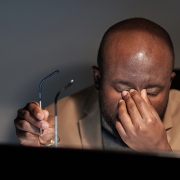
Although the eyes do have nerve endings, it’s not normal to experience eye pain. Unless you are actually touching the eye, there should be little to no sensation in the eye. If you do have eye pain, you should see your eye doctor in North Syracuse, NY as soon as possible.

Common Eye Pain Symptoms

Sharp, painful, or throbbing eye discomfort might afflict either or both eyes. Eye pain may be different from the usual irritation caused by a speck of dirt or a little foreign item in the eye. In those cases, when the foreign item is removed, the discomfort subsides. Other forms of eye pain are more severe and last longer, and it might be preceded by or associated with other symptoms. Some eye discomfort might be an indication of a more serious health condition or injury, and it’s important to be seen by an optometrist as soon as you can.

Possible Causes of Eye Pain

Once you’ve determined that your eye pain is not caused by a foreign object or a stuck contact lens, there are other possible causes to consider. These include:

Glaucoma – This condition causes a build-up of pressure in the eyes, which sometimes results in eye pain. Note that glaucoma leads to vision loss, so immediate treatment is essential.

Infection – Both viral and bacterial infections can spread from other parts of the body into the eyes, resulting in eye pain.

Sinus infection – The sinuses are located right behind the eyes and an infection in the sinuses often leads to headaches and eye pain.

Allergic reaction – Allergies from pollen, prescription medication, eye makeup and contact lens solutions can all cause side effects and allergic reactions that include eye pain.

Dry Eye Syndrome – Dry eye is a condition where the eyes do not produce enough moisture. This results in eye pain as well as other symptoms.

Badly fitting contacts – If you wear contact lenses, the contact lenses themselves may be the culprit. Getting refitted for contacts may alleviate the eye discomfort.

Whether or not you have a foreign object in your eye, you should get an eye exam in North Syracuse, NY regarding eye pain. That way, any potential damage can be carefully assessed and treated by the optometrist. Contact us to book your appointment today.

3 Ways Lack of Sleep Affects Your Visual Health

How much sleep have you been getting lately? If you are like a lot of Americans, you simply don’t get enough sleep. About 35 percent of American adults get less than the recommended seven hours of sleep every night. Unfortunately, lack of sleep is not just bad for your general health, but also your visual health. In fact, some general vision problems in North Syracuse may be related to lack of sleep. Take a look at some of the ways lack of sleep can affect your eyes.

Lack of sleep can lead to dry eyes

When your eyes are tired, you may be more likely to have problems with decreased tear production. Over time, this can lead to issues with dry eyes, which can come along with bothersome symptoms like redness, itchiness, and even blurred vision. When you have dry eyes, your tears are not lubricating the eye lens properly, which can also mean you are more susceptible to contaminants in your environment.

Lack of sleep can contribute to eye fatigue

Eye fatigue is a serious issue, even though it is an issue that is often disregarded. When your eyes feel extremely tired, they need a break. Not getting enough sleep can mean your eyes get fatigued faster than they normally would. Tired eyes don’t produce as many tears, can suffer from damaged blood vessels, and may even have issues seeing clearly.

Lack of sleep could put you at risk of eye conditions

Certain eye conditions are directly linked to poor quality sleep. For example, people who have sleep apnea are actually at a higher risk of glaucoma. This is because sleep apnea affects the intraocular pressure on the retina, as well as the important blood vessels that feed oxygen to the retina.

Keep Your Vision in Check with the Help of a North Syracuse, NY Eye Doctor

Worried that your problems with sleep are affecting your vision? If so, it may be time to visit a North Syracuse eye doctor for advice. Even small problems can grow to be a major issue when it comes to your visual health. Reach out to us at McPherson Optometry to schedule an appointment for a checkup.

Is LASIK Worth the Risks? 

If you have been living with nearsightedness, farsightedness, or astigmatism, you know how inconvenient and uncomfortable it can be. From fuzzy vision to double vision, headaches, and even night driving concerns, dealing with consistent eyesight issues can impact every aspect of your life and leave you searching for treatment. While eyeglasses and contact lenses might help you manage your vision issues, many people consider the possibility of having LASIK done.

Is LASIK Right For You?

Youroptometrist in North Syracuse, NY can perform LASIK surgery on your eyes. But you should consider whether this is the right solution for you. Before confirming that LASIK might be right, your optometrist will do a through eye examination. Depending upon the findings, you and your eye doctor can determine how best to proceed.

What is LASIK Eye Surgery?

LASIK is the most widely performed laser eye surgery for correcting everyday vision impairments and eyesight disorders. The process involves the use of a highly specialized laser that is meant to enhance eyesight, minimize or eliminate the need for corrective eyeglasses, and address refractive problems that affect a person’s vision. The treatment involves reshaping the cornea so that light entering the eye is appropriately focused on the retina, resulting in sharper vision.

Risks of LASIK Surgery

LASIK, like any operation, has inherent risks connected with it, including the impact it might have on your eyesight. Before deciding to have any operation, it is critical to be aware of the potential hazards. While studies has shown that major complications are uncommon, a tiny minority of patients do have actual and long-lasting problems following surgery. Some of the transient difficulties that have been found include:

  • Scratchiness and dryness of the eyes
  • Experiencing glare, halos, or starbursts
  • Increased sensitivity to light
  • Poor night vision
  • Chronic pain or discomfort

In the case of LASIK, over 300 peer-reviewed studies suggest that 95% of patients who have the treatment are happy with the results. However, a tiny number of patients report experiencing the above-mentioned symptoms for a long time, and an even smaller percentage report that their problems have become permanent.

Millions of LASIK procedures have been done successfully around the world. Most people feel that, if they are deemed to be a good candidate, the potential improvement in vision is worth the risks. Talk to youroptometrist in North Syracuse, NY for LASIK information.

Can Strabismus be Corrected?

Strabismus is the official term for what is commonly called “crossed eyes.” However, the word strabismus indicates any abnormal alignment of the eyes. In some cases of strabismus, the eyes are not crossed entirely, but focus in slightly different directions. In fact, some mild cases of strabismus are hardly noticeable to others, although it will nearly always cause conspicuous vision problems in the person suffering with strabismus. Untreated strabismus can result in lifelong vision difficulties, such as blurred vision, chronic headaches and worse.

Different Categories of Strabismus

Strabismus can present in various ways. The way in which it presents helps the optometrist in North Syracuse, NY to diagnose, categorize and treat the condition. The different types of strabismus are:

  • Esotropia, where eyes are turned inward
  • Exotropia, where eyes are turned outward
  • Hypertropia, where eyes are turned upward
  • Hypotropia, where eyes are turned downward

Note that one or both eyes may be affected.

Can Strabismus be Treated?

Strabismus causing vision problems, but it usually also causes emotional concerns, such as lack of ability to learn, develop and grow intellectually and socially. Because the condition is so visible to others, it can result in a lack of confidence or a tendency to withdraw and isolate from society. Thankfully, there are treatments for strabismus for people of all ages, including infants. Treatment for strabismus in North Syracuse, NY is available from your optometrist.

Treatments For Strabismus

Treatment for strabismus will depend upon the age of the person, as well as the category, form and severity of the condition. Treatment options include:

  • Corrective lenses, such as eyeglasses or contact lenses
  • Special prism lenses
  • Prescription eye drops and/or ointment
  • Eye patch
  • Surgery

Remember that your optometrist will bear in mind the age and condition of the patient before recommending any treatment option. For instance, an infant can’t wear contacts or eyeglasses, but an eye patch might help. Barring non-invasive results, surgery may be necessary.

Strabismus is a condition of the eye muscles. As such, treatment is readily available and highly effective. For best results, contact your optometrist early and regularly for eye exams. The sooner that strabismus is diagnosed and treated, the faster you or your loved one can get on with life with good vision. Contact us to book your appointment now.

Could Eyestrain Be Causing Your Headaches?

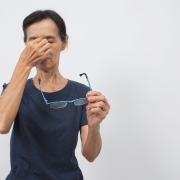
Just like the other muscles in your body, your eyes get tired, too. When you stare too long at a computer screen, or when you spend long hours texting your friend from a darkened bedroom, you can overtax your eyes. This leads to a number of symptoms, including painful headaches. Your eye doctor in North Syracuse, NY, will recognize the symptoms of eye strain.

How Does Eye Strain Happen?

Eye strain is not a serious condition, and it will go away once you have a chance to rest your eyes. However, the resulting headache may linger. Many factors may contribute to eye strain, including:

  • Driving for long periods of time without taking a break
  • Sitting for too long in front of a computer, television screen, or tablet
  • Marathon reading sessions
  • Trying to read in insufficient light
  • Dry, moving air, such as that produced by air conditioning

There may be other causes of eye strain, as well. However, these are probably the most common. It’s important to take time to rest your eyes on occasion when you have to stare at an object, such as a book, for an extended period of time. This gives your eyes an opportunity to refocus and to lubricate and may help you avoid an eye strain headache.

How Do I Know Whether Eye Strain Is Causing My Headaches?

The only way to know for sure whether eye strain is the culprit is to book an appointment with your eye doctor. Headaches are generic in nature and may be caused by anything from body tension to dental problems. But there are certain symptoms that accompany headaches caused by eye strain. They include:

  • A headache that develops after a long session of staring at an object or objects
  • Pain that feels like it’s centered behind your eyes
  • No other symptoms of illness, such as nausea, present
  • Not accompanied by fever
  • Goes away when you close your eyes for a period of time

If you suspect you’re suffering from eye strain headaches in North Syracuse, NY, McPherson Optometry can help. Call today to book an appointment for a routine eye exam and a consultation with one of our experienced and friendly eye professionals.

Wire Frames Vs. Plastic – Which One Is Right For You?

It’s fun to shop for new glasses! When you’re trying to pick out new glasses frames, one of the decisions you’ll have to make is whether to choose wire frames or plastic. These materials look very different, and also feel and function differently for the glasses wearer. Knowing the difference between these materials can help you decide which type of material is right for you. Here’s what you need to know when shopping for glasses in North Syracuse, NY.

What to Know About Wire Frames

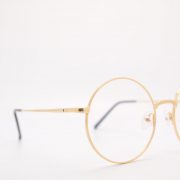
Wire frames are classic eye glasses that people have been wearing for hundreds of years. Some people prefer wire frames because they’re elegant, sophisticated, and also lightweight. Wires tend to be much thinner than plastic frames, so they’re far more understated than plastic frames.

Wire frames come with nose pads that need to be replaced periodically. Some people think nose pads can be a good thing (they’re easily adjusted to your face) while others think they’re a disadvantage (they need to be replaced by someone on a regular basis).

What to Know About Plastic Frames

Plastic frames often come in bright colors and are much more noticeable than wire frames. For some eye patients, plastic frames are considered a good thing because it’s easy to express your creative side with brightly colored plastic frames. Others don’t like the look of plastic frames and prefer the less noticeable wire frames.

One thing to be aware of if you’re considering plastic frames: they’re heavier than wire frames, and take some time for adjustment. Most people need to wear plastic frames for a few days before they find them comfortable.

How to Make the Right Decision for You

Are you wondering which type of glasses are right for you? Try some on! The best way to find the right glasses for your needs is to visit an eye doctor, get an eye exam and then sample the glasses they have on hand.

Contact your eye doctor in North Syracuse. At McPherson Optometry, we stock a range of eye glasses to meet your needs. We can help you decide whether plastic frames or wire frames are right for you. Call today to make an appointment.

Why Do I Have Pain Behind My Eyes?

If you’ve recently become aware of pain behind one or both of your eyes, you should book an eye exam with your eye doctor in North Syracuse, NY. Pain behind the eyes is not normal and is often a symptom of a serious condition. Of course, pain behind the eyes doesn’t mean you have to worry about losing vision, but it is certainly something that warrants the attention of an eye professional. Following are some possible causes to be aware of.

Sinus Infection

Pain behind the eyes could be something as benign as a sinus infection. The sinus cavity is located very close to the eyes. Inflammation in this area will almost always lead to discomfort and possibly pain behind the eyes. If you also have symptoms like runny discharge or headache, this may be the reason.

Eye Strain

When you strain your eyes, the muscles of your eye contract. Chronic eye strain can lead to pain behind the eyes. Try minimizing the amount of strain you put on your eyes. Be sure to read insufficient light, use a blue light filter on your devices and make sure that your contacts or eyeglasses prescription is up-to-date. Your North Syracuse, NY eye doctor may have other ideas for reducing eye strain, too.

Glaucoma

Glaucoma is a condition where pressure builds up inside the eye. This pressure will eventually cut off brain signals from the optic nerve, inducing blindness. Be sure to see your eye doctor immediately to report your eye pain and to get a glaucoma test.

Dry Eyes

If you have the condition known as dry eyes, then your eyes do not produce sufficient tears to keep eyes adequately moist. Dry eyes often present with pain behind the eyes. Treatment is available from your eye doctor.

When it comes to your vision, you should never assume that everything is okay. You should never put up with pain behind the eyes or expect that it will just go away on its own. Even something as benign as a sinus infection can escalate into something more serious. See your eye doctor right away if you have pain or any kind of discomfort behind one or both eyes.